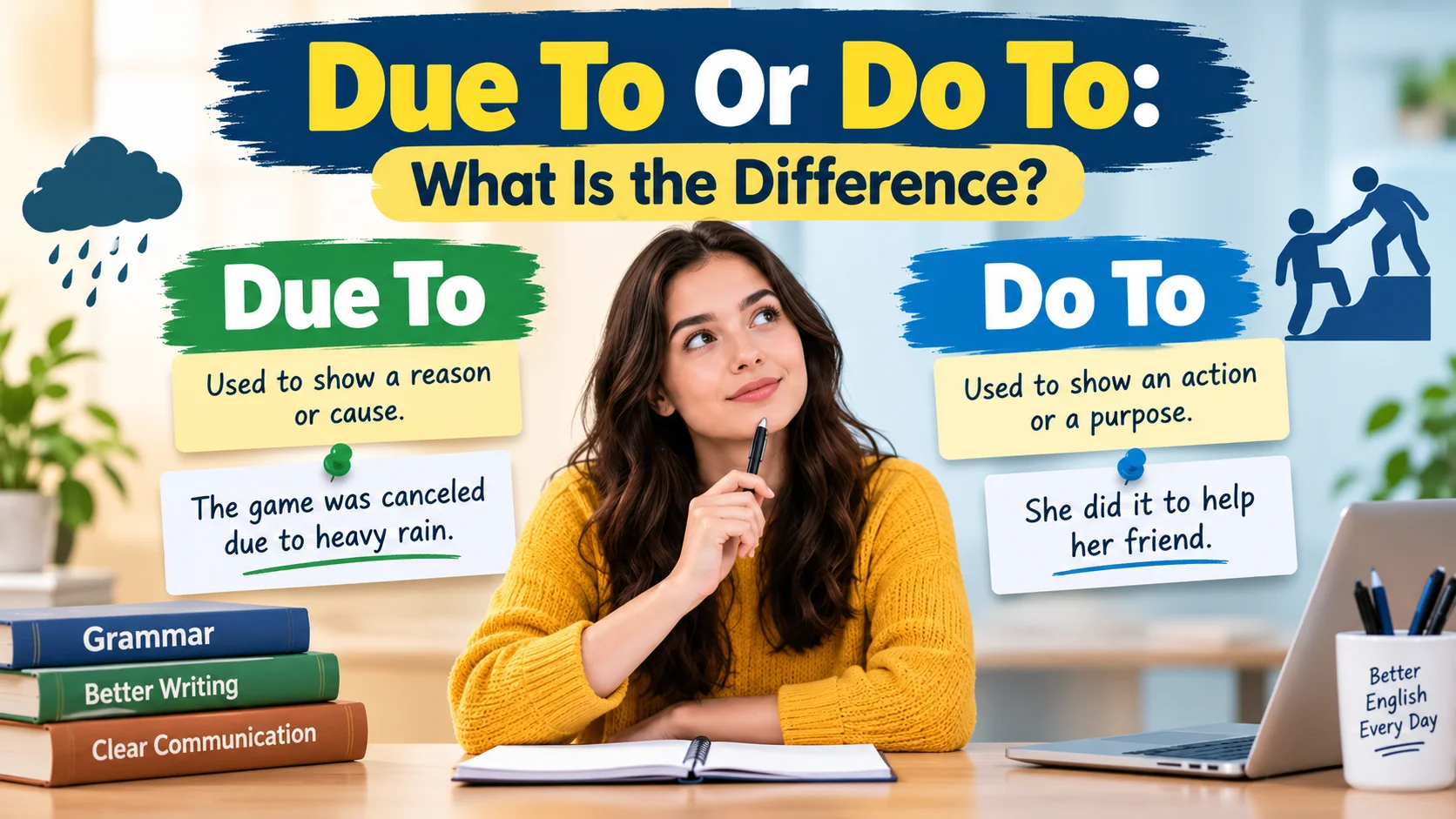
Due To Or Do To: What Is the Difference?
Many English learners confuse due to and do to because they sound the same. However, these two phrases have completely different meanings and grammatical functions. … Read More
Many English learners confuse due to and do to because they sound the same. However, these two phrases have completely different meanings and grammatical functions. … Read More

Similes For Strong help writers compare a person’s strength, power, determination, or resilience to familiar objects, animals, or forces of nature. These comparisons make descriptions … Read More
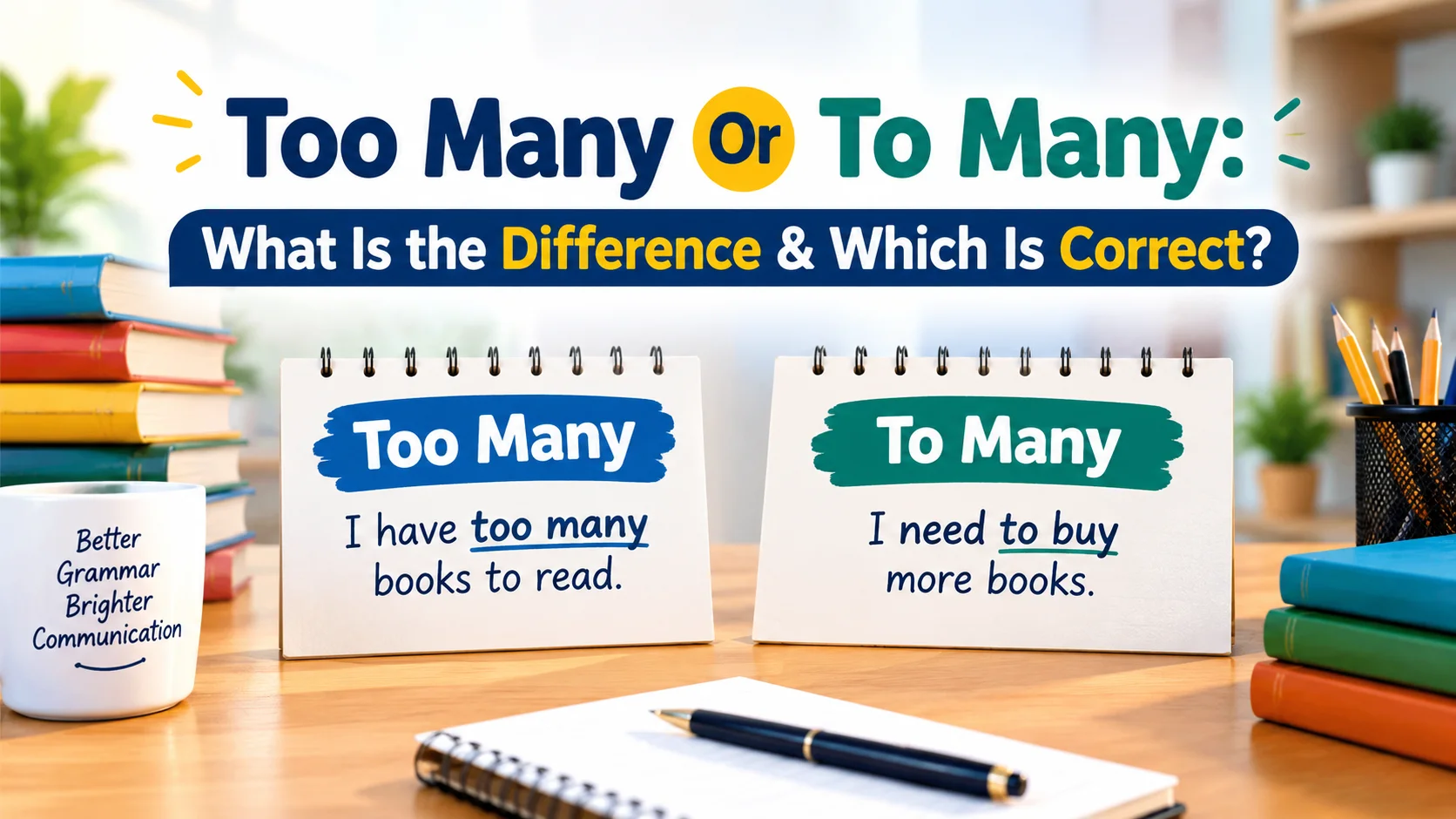
Many English learners confuse too many and to many because they look almost identical. However, they have very different meanings and are used in different … Read More
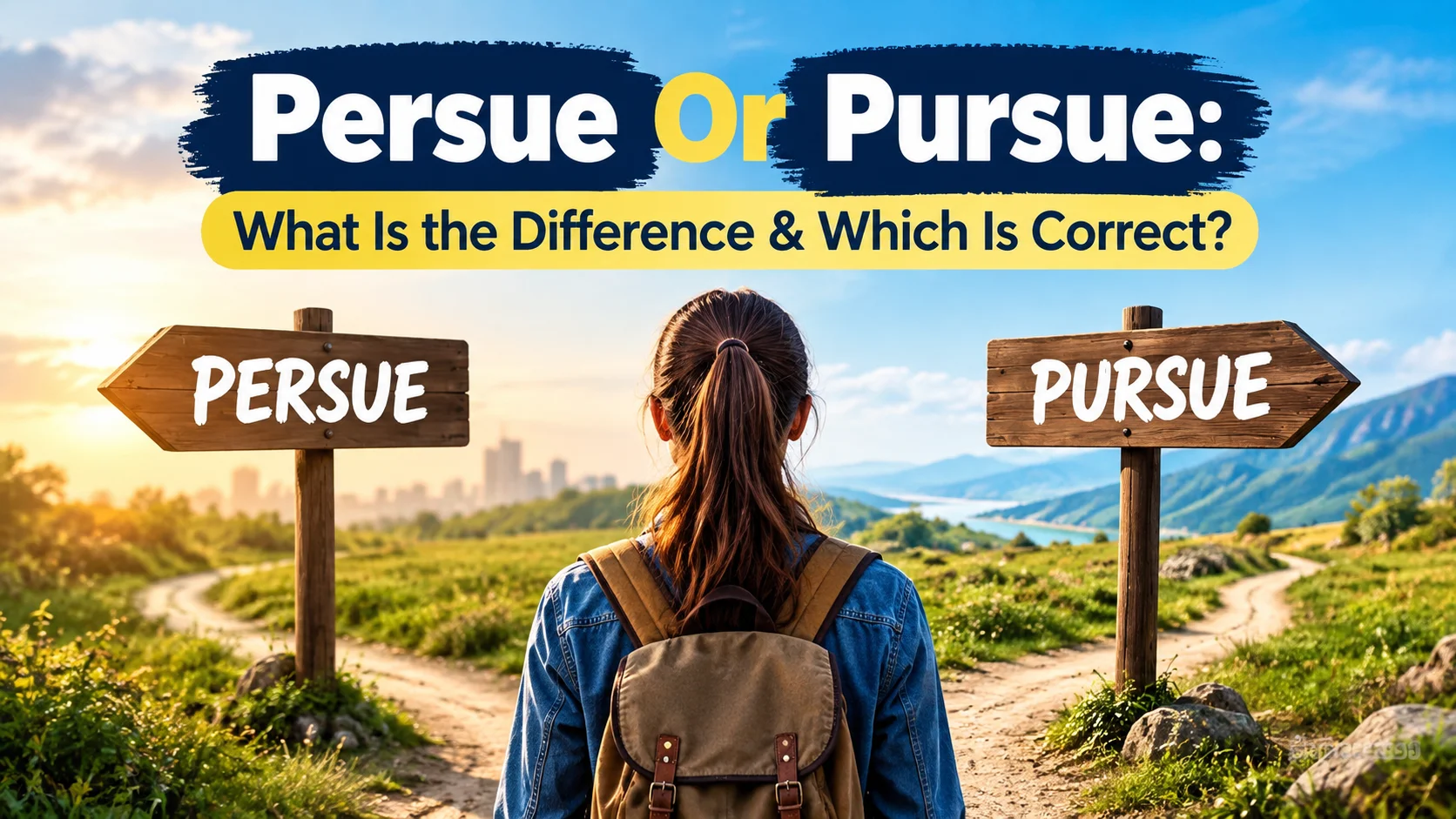
Many English learners get confused between pursue and pursu because the two words look very similar. However, only one is correct in standard English. Understanding … Read More
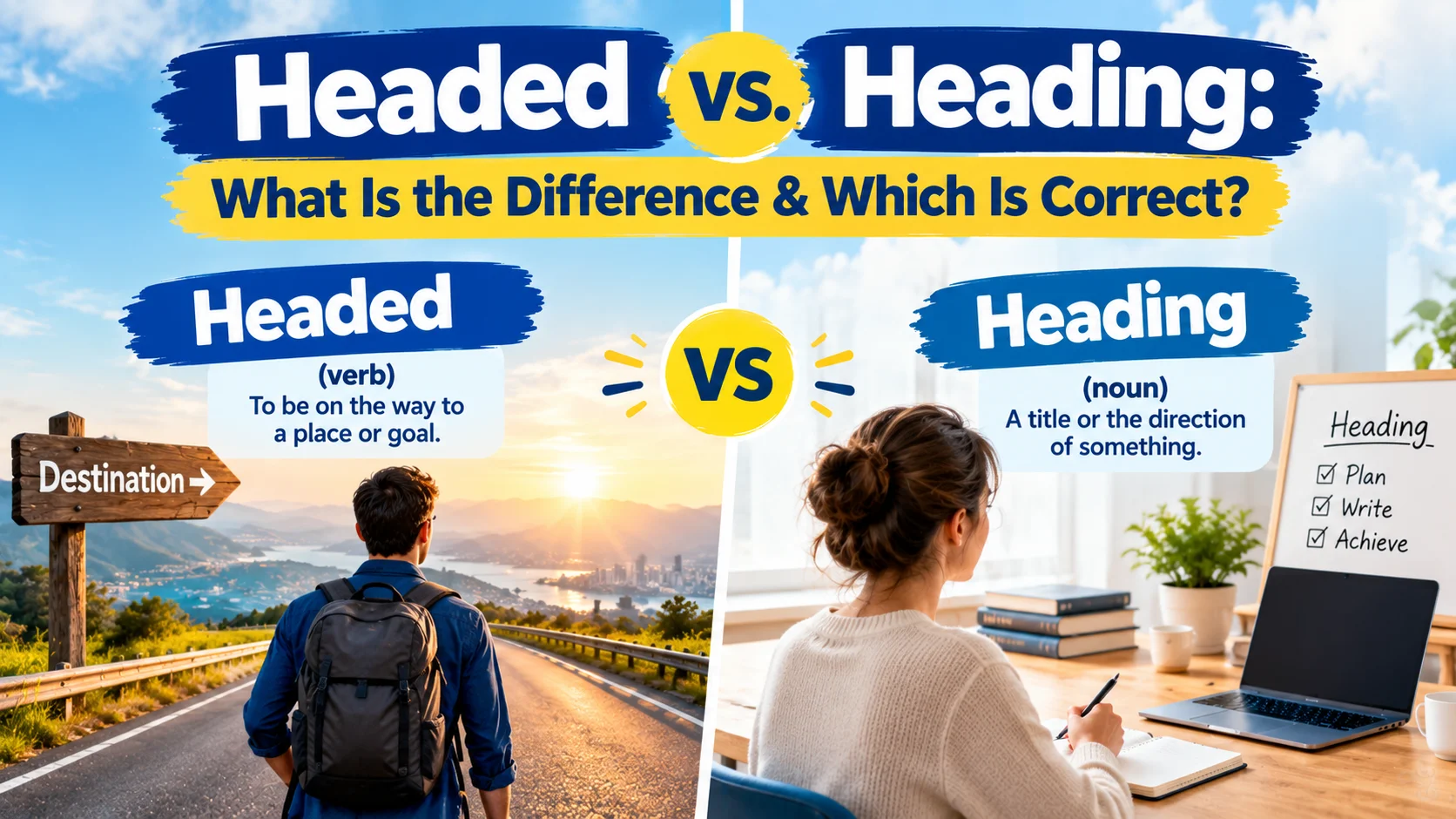
Choosing between headed and heading can be confusing because both words come from the verb head, but they serve different grammatical purposes. One usually describes … Read More
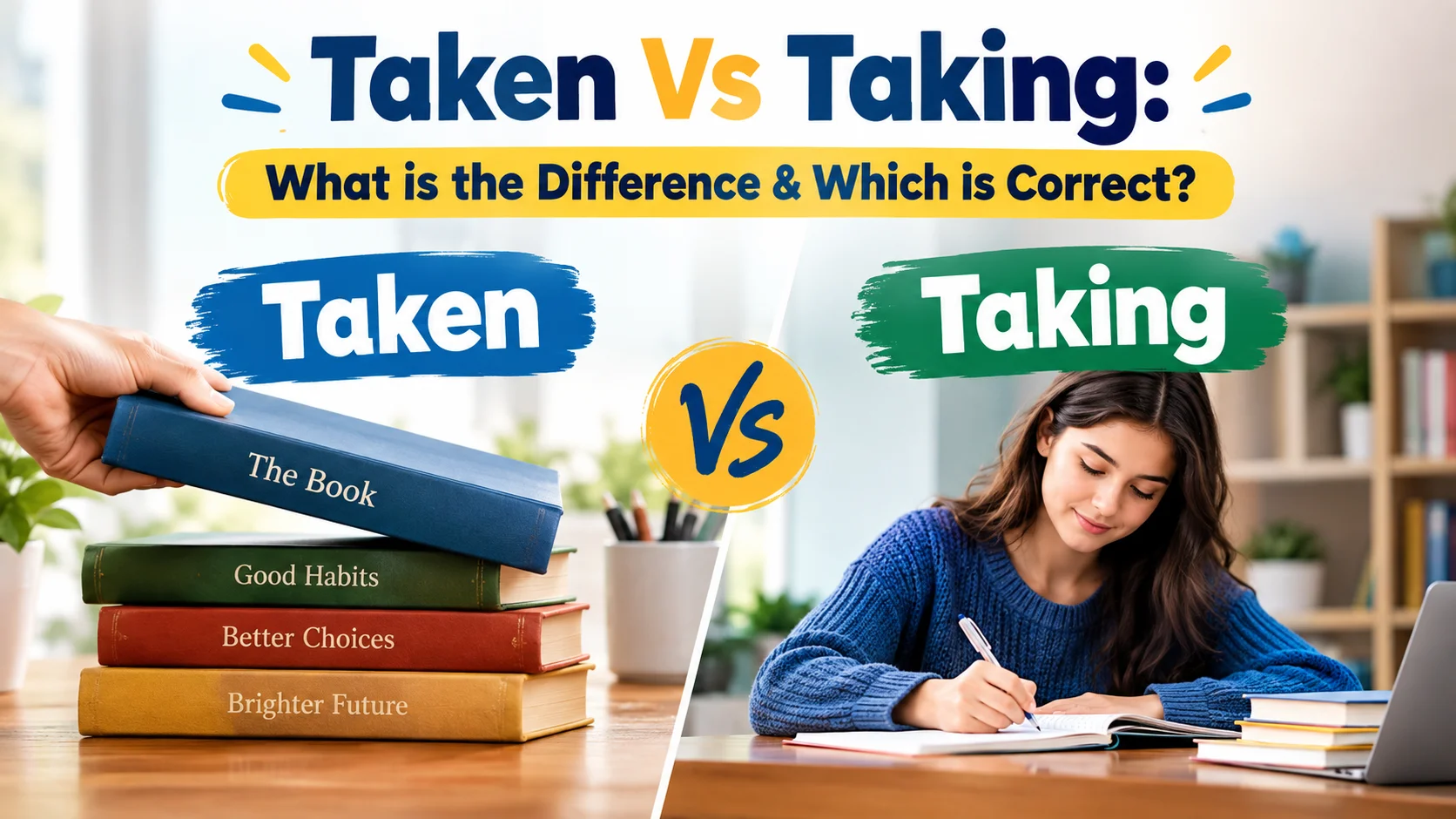
When learning English, many people get confused between taken and taking because both come from the verb take. Although they share the same root, they … Read More
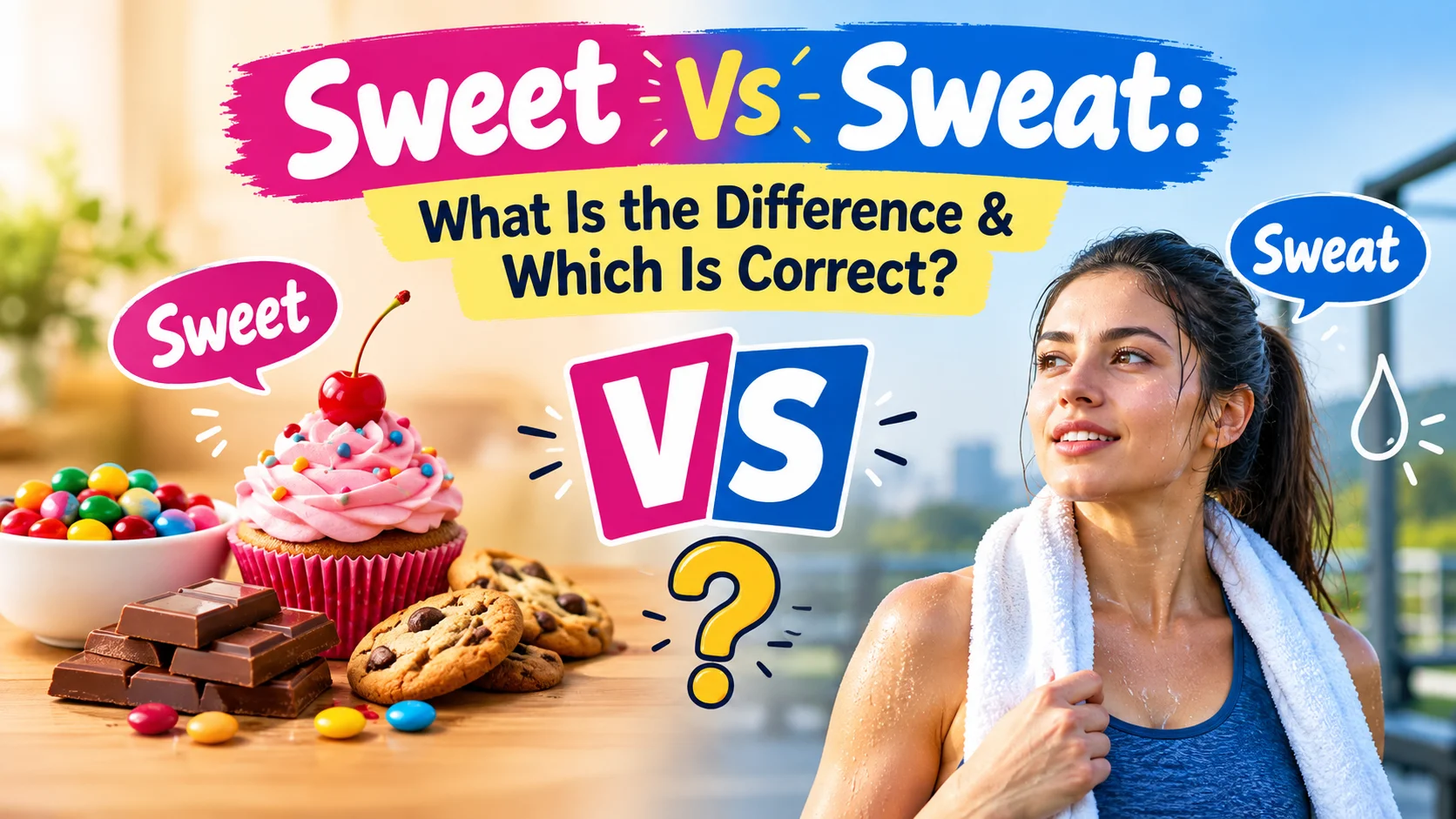
Many English learners confuse sweet and sweat because they look and sound somewhat similar. However, these words have completely different meanings and are used in … Read More
Similes For Complex ideas can make difficult concepts easier to explain and more enjoyable to read. A well-chosen comparison turns an abstract thought, complicated situation, … Read More

Sun similes bring warmth, beauty, and emotion into writing by comparing sunlight with familiar images. They help readers visualize scenes, feel moods, and connect with … Read More
Similes for dumb help writers describe a person’s lack of understanding, poor judgment, or clueless behavior more colorfully and creatively. Instead of using plain or … Read More

Grammarcoaches helps you improve your English grammar with simple, practical guidance.Learn, practice, and build confidence in your writing and communication skills.