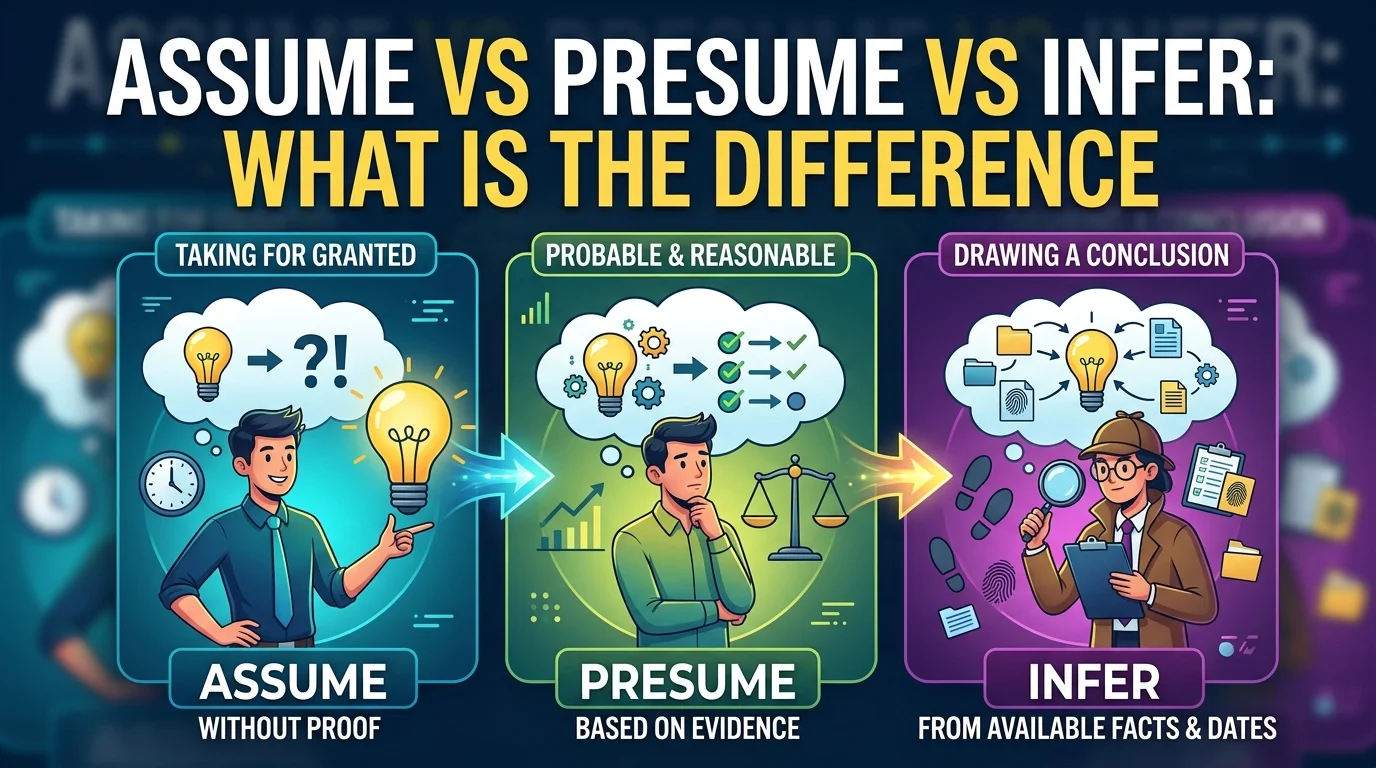
Assume Vs Presume Vs Infer: What is the Difference?
Understanding the difference between assume, presume, and infer is essential because these three verbs are often confused in both spoken and written English. While they … Read More
Understanding the difference between assume, presume, and infer is essential because these three verbs are often confused in both spoken and written English. While they … Read More
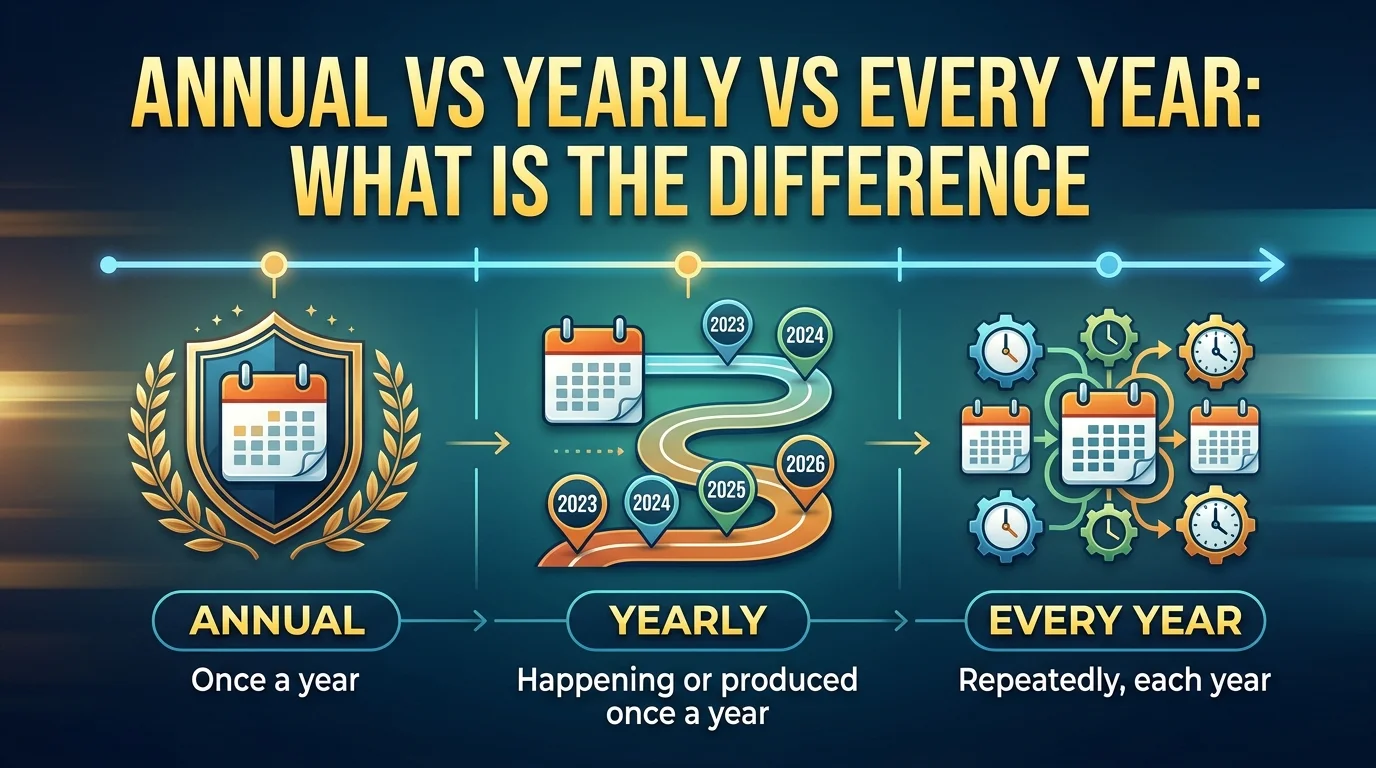
When talking about events or activities that happen once every 12 months, people often use annual, yearly, and every year interchangeably. While they all relate … Read More
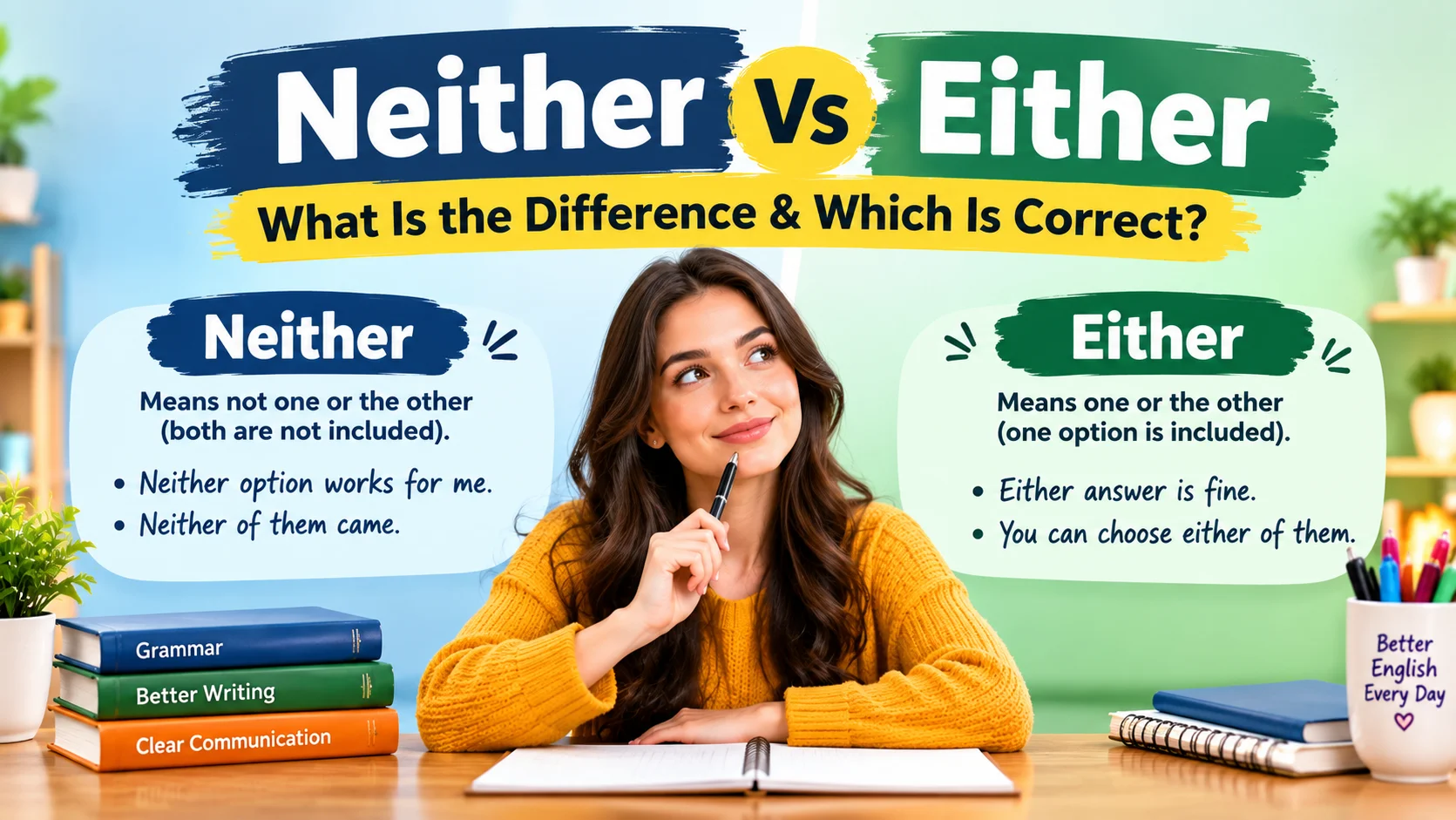
Have you ever wondered whether to use neither or either? These two words are closely related, but they have opposite meanings and different grammatical uses. … Read More
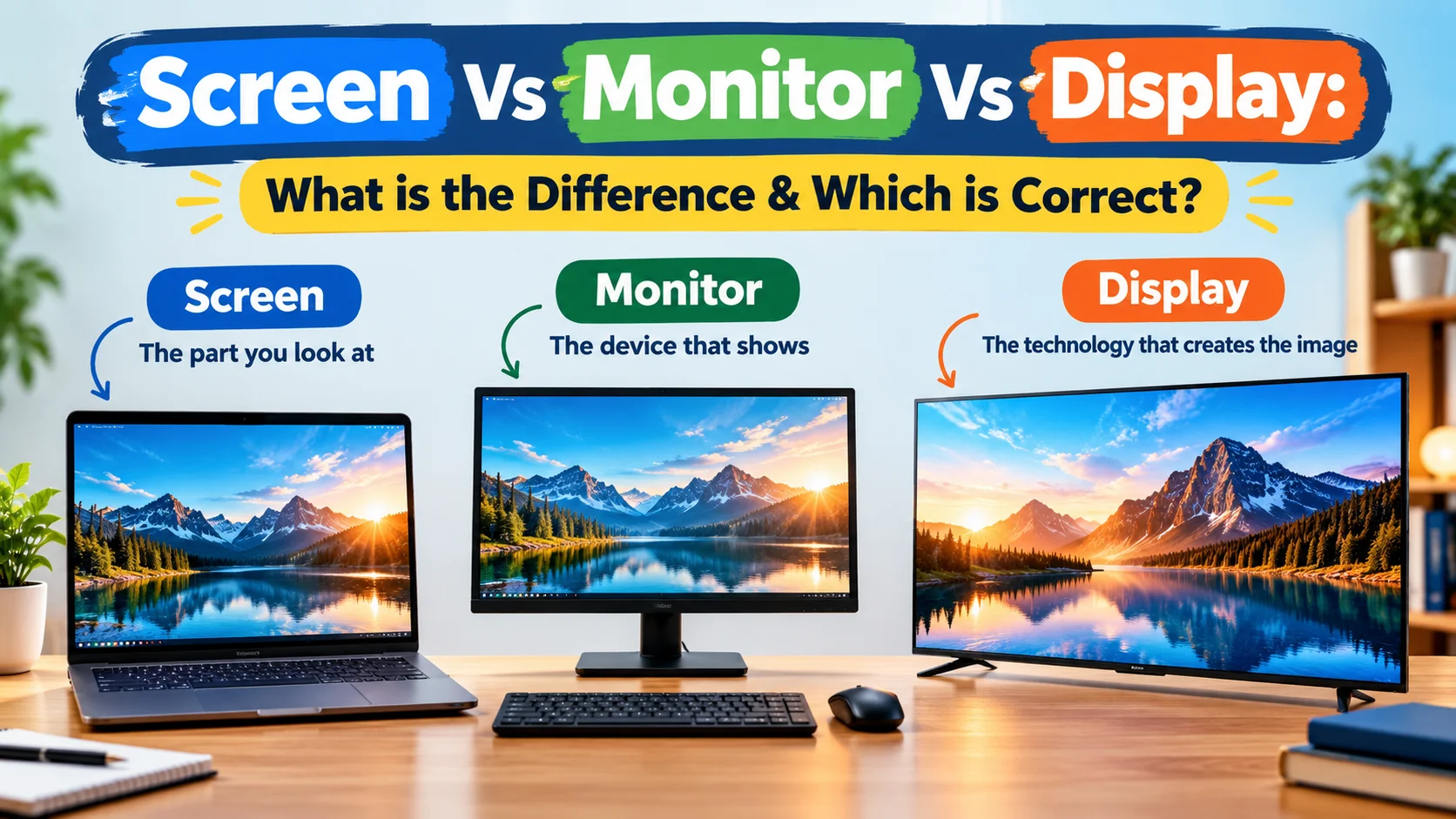
When talking about computers, TVs, smartphones, and other digital devices, the words screen, monitor, and display are often used interchangeably. However, they do not always … Read More
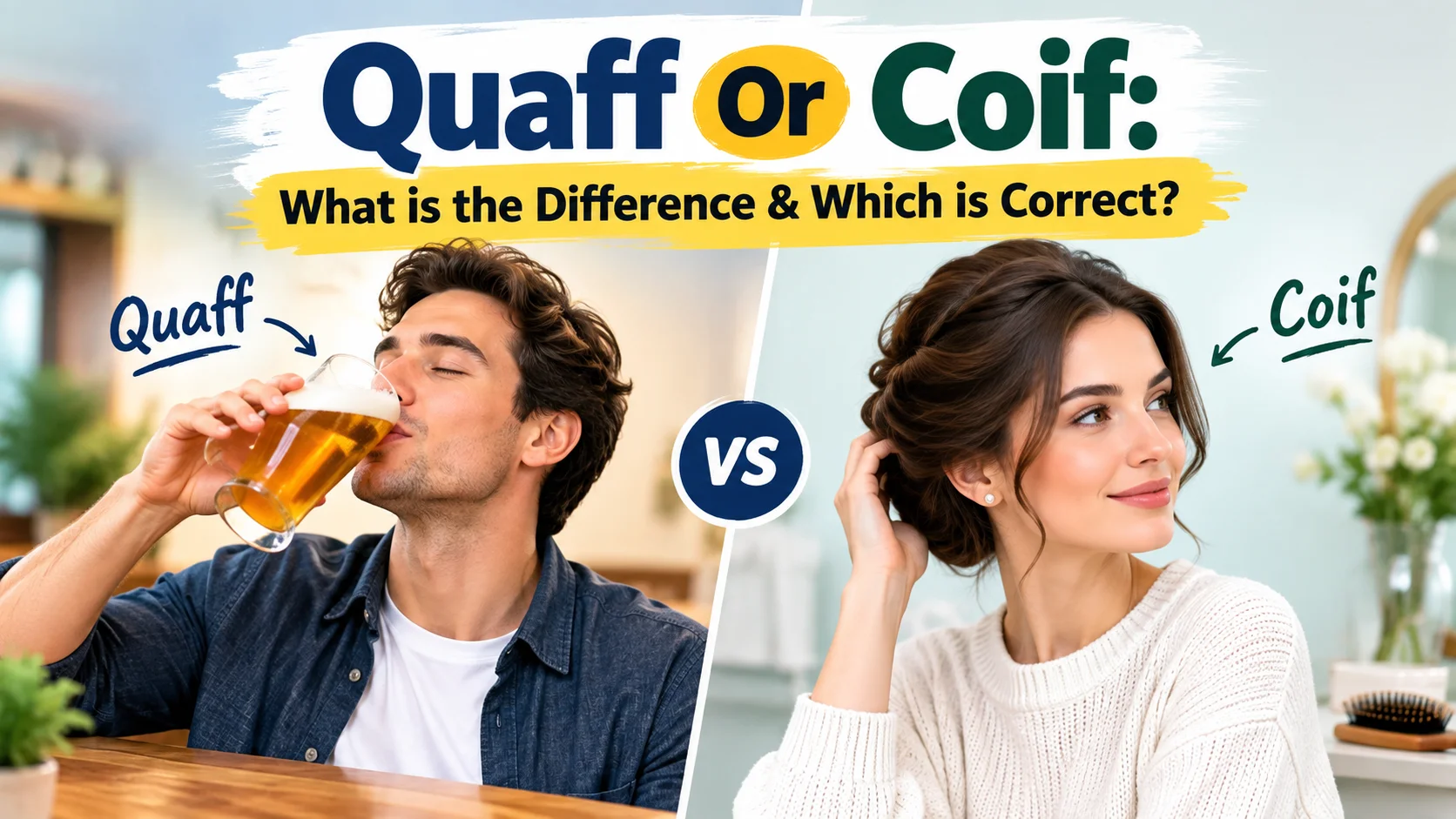
When you come across the words quaff and coif, it’s easy to think they are related because they sound somewhat similar. However, they have completely … Read More
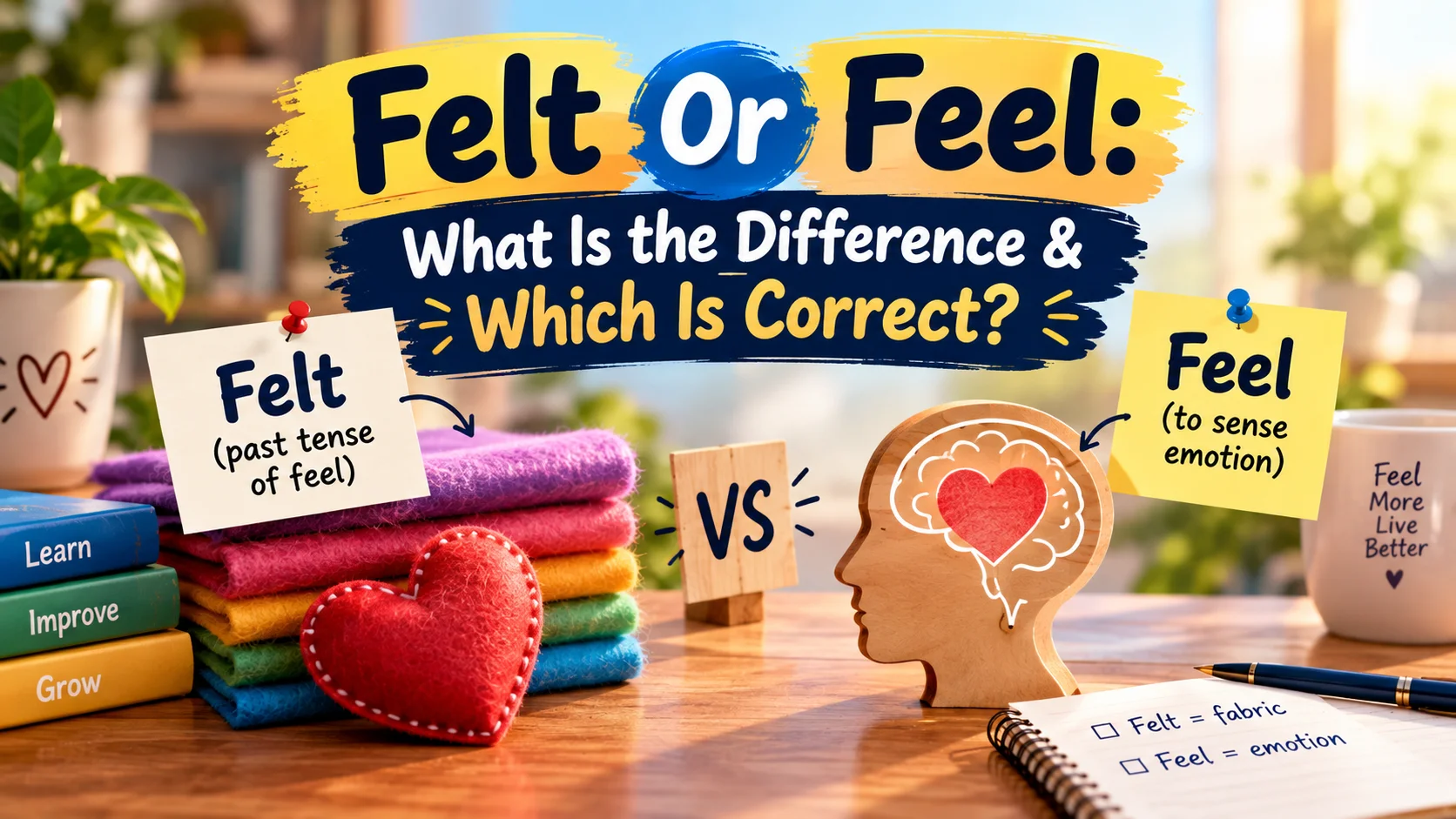
Felt and feel are closely related words, but they are used in different grammatical situations. Because both come from the same verb, many English learners … Read More
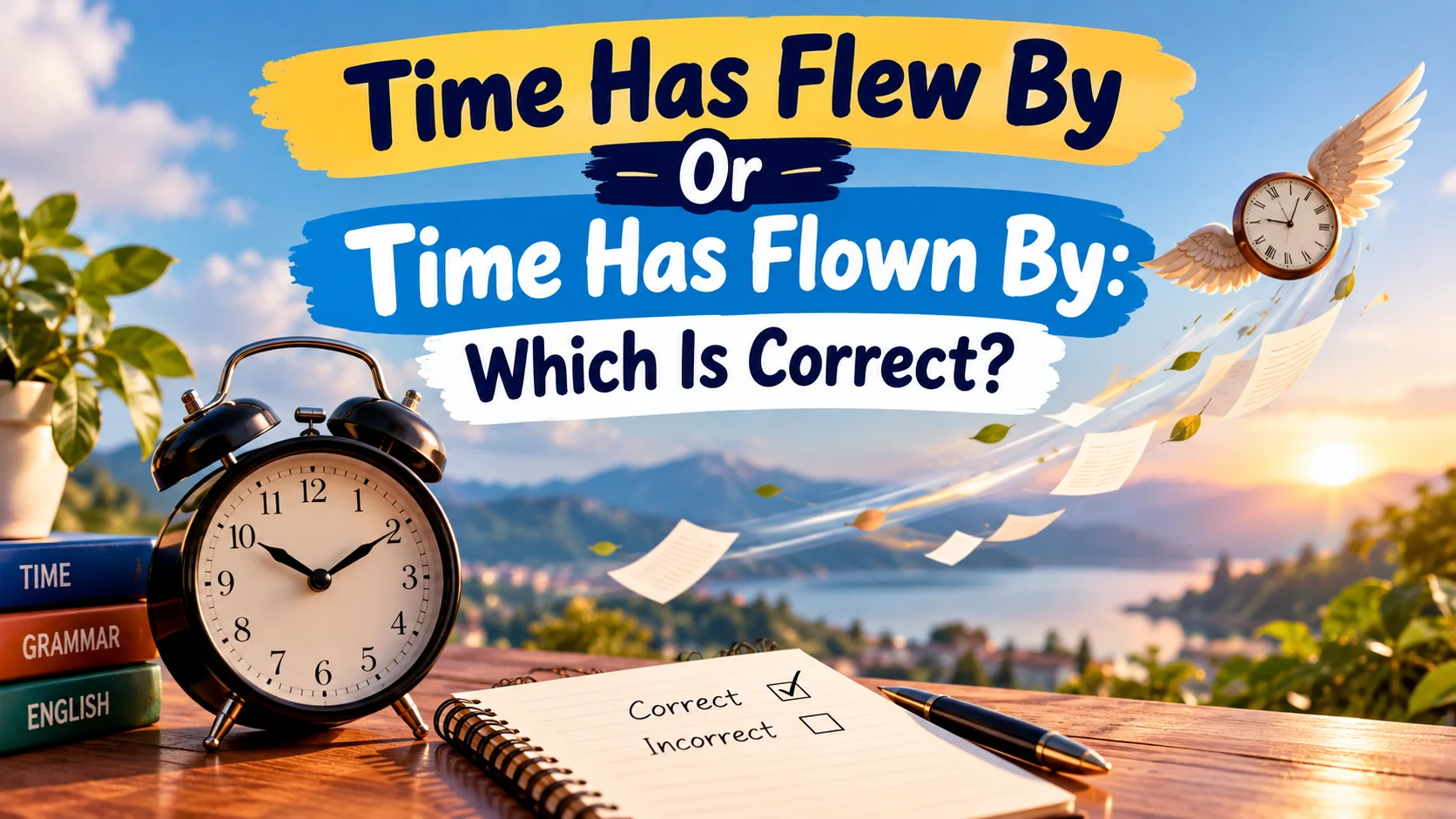
Have you ever wondered whether you should say “time has flown by” or “time has flown by”? These two expressions are often confused because they … Read More
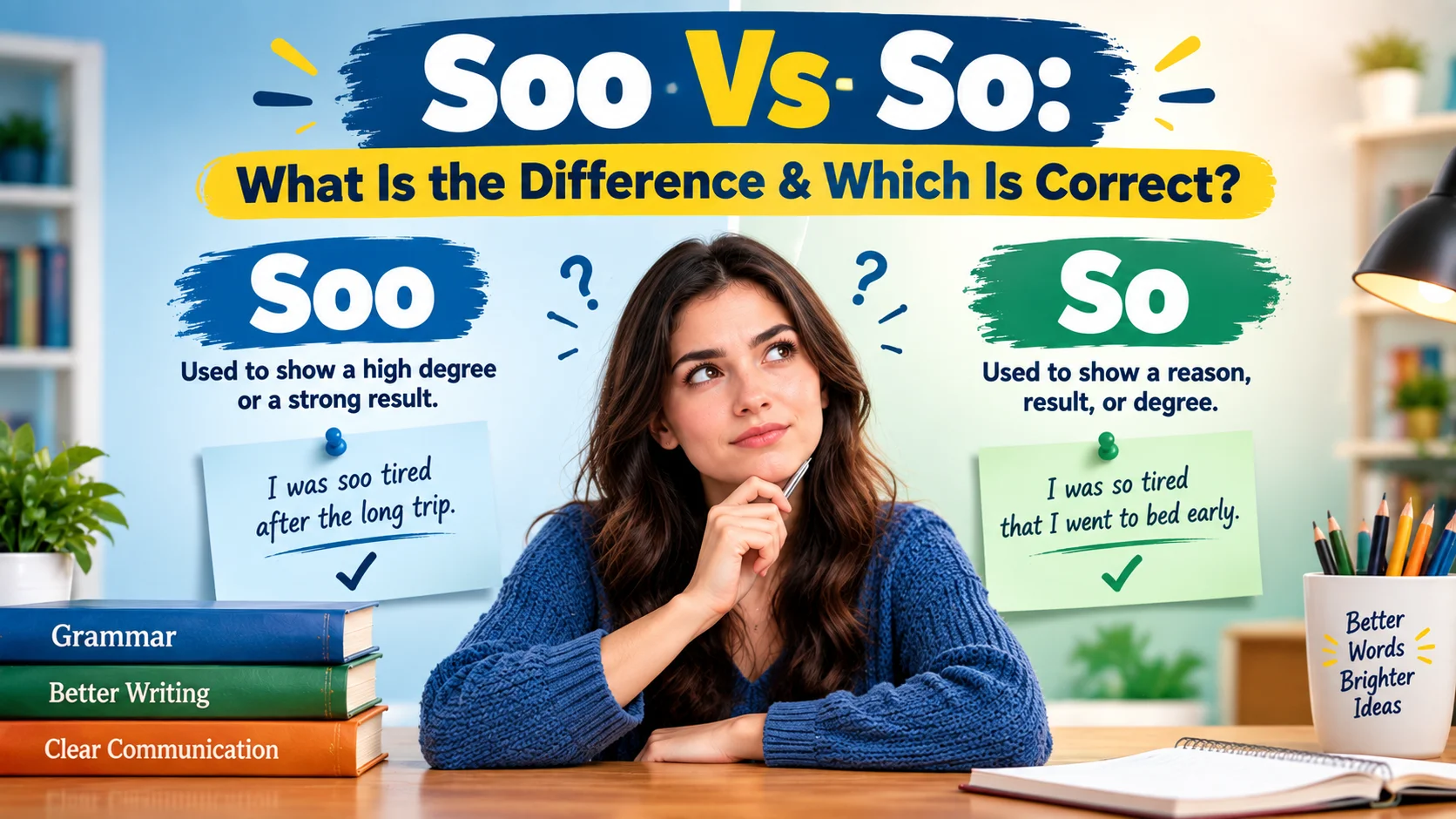
When comparing “so” vs. ” soo, many English learners wonder whether both words are correct or if one is simply a spelling mistake. While so … Read More
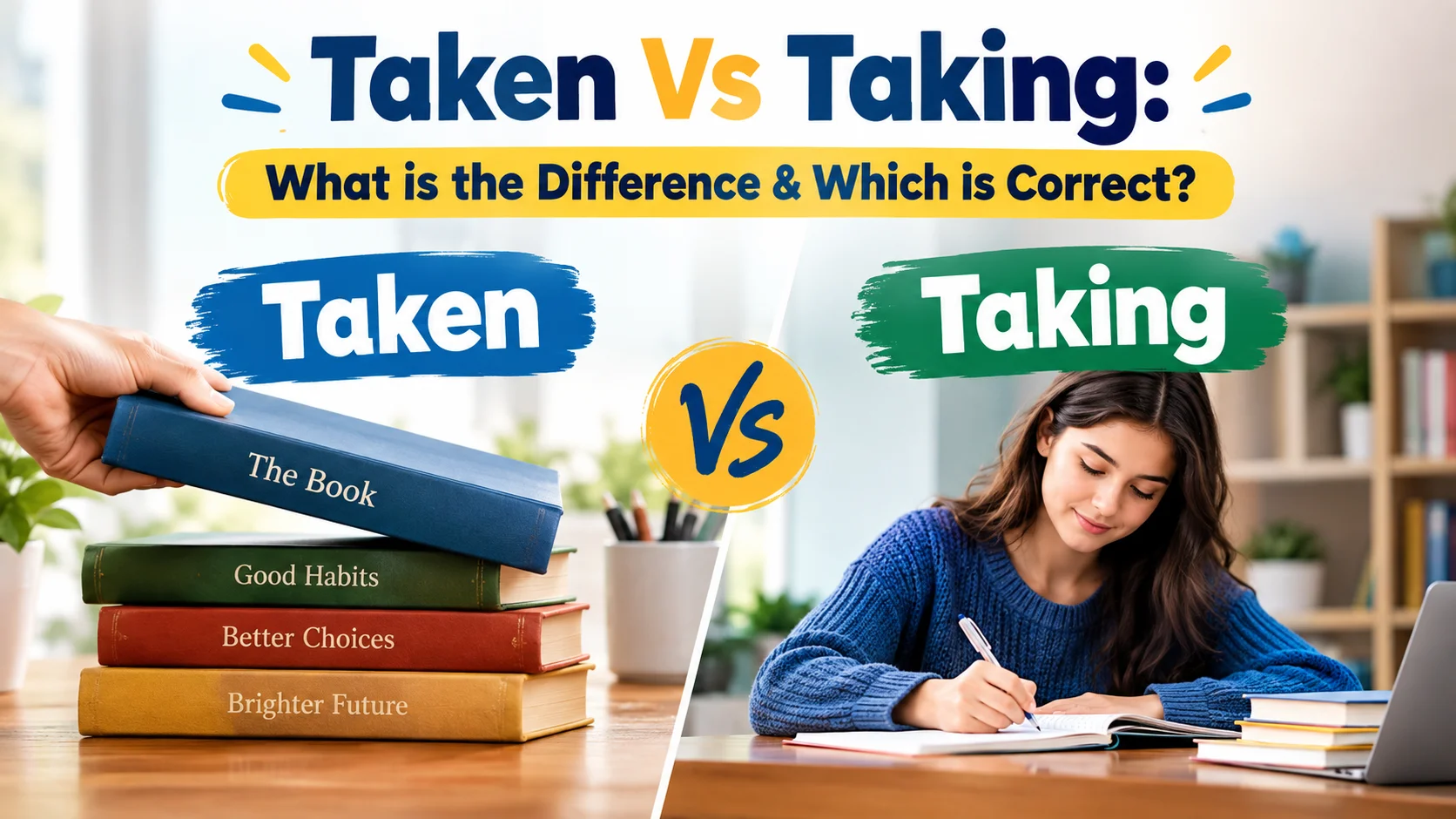
When learning English, many people get confused between taken and taking because both come from the verb take. Although they share the same root, they … Read More
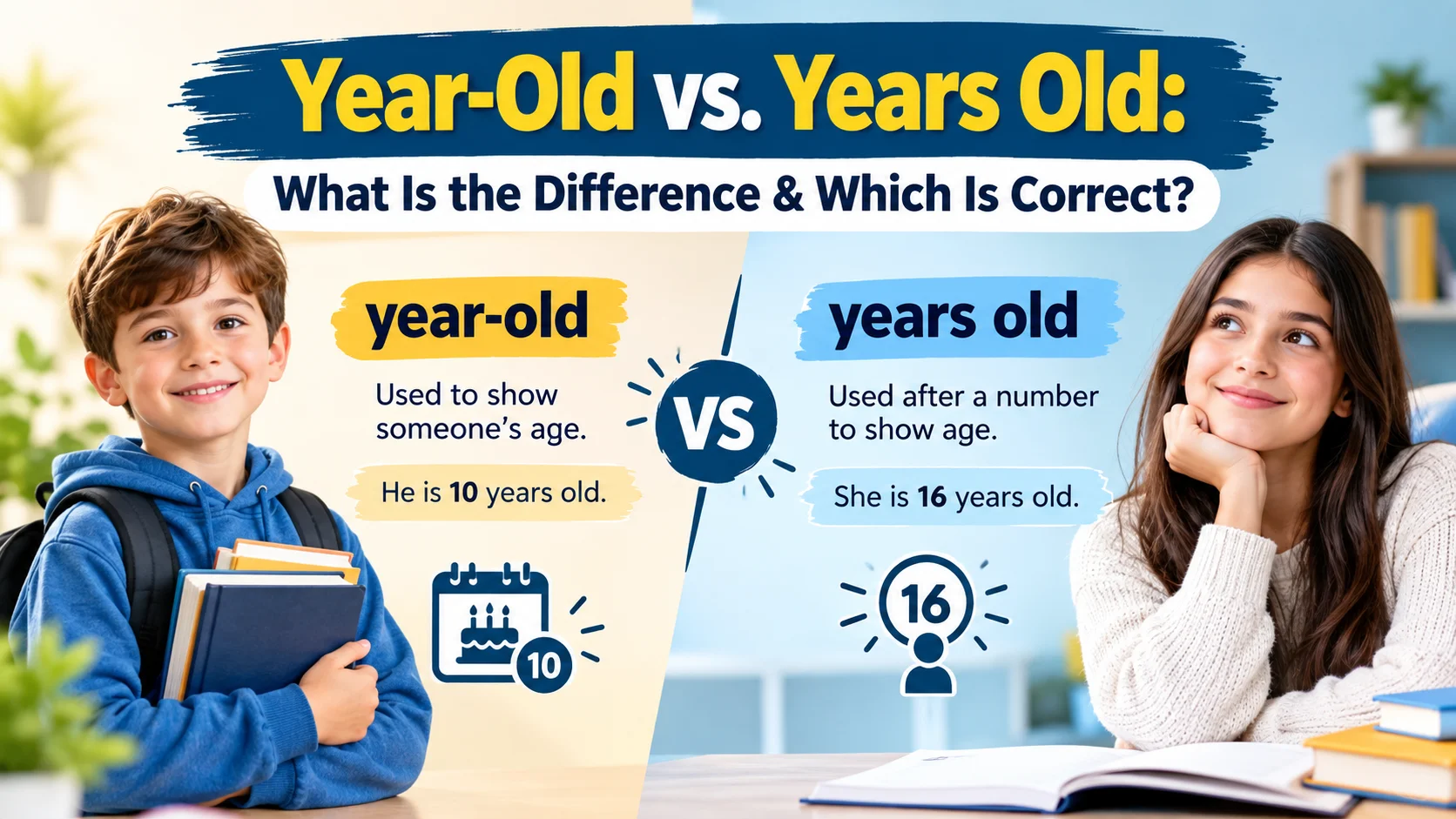
Choosing between year-old and years old can be confusing because both expressions describe age, but they work differently in a sentence. The key difference depends … Read More

Grammarcoaches helps you improve your English grammar with simple, practical guidance.Learn, practice, and build confidence in your writing and communication skills.